Sign in
Contact
What is Hostile Vehicle Mitigation?
Read More Here
Hostile Vehicle Mitigation
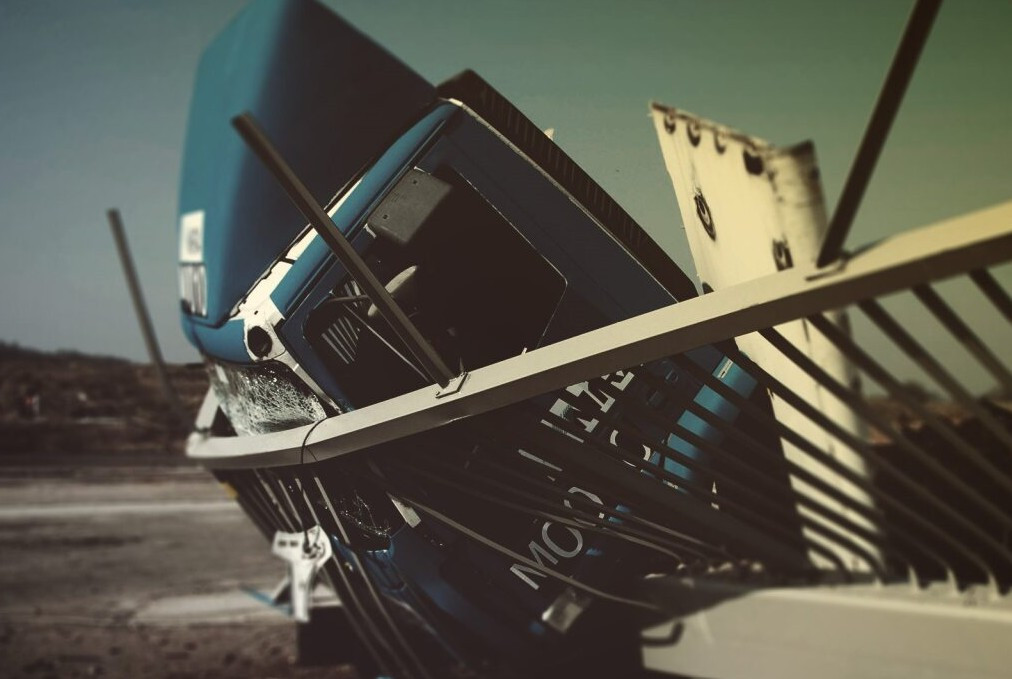
What Is Hostile Vehicle Mitigation (HVM)?
HVM measures can include:
* Anti-ram barriers and bollards
* Crash-rated gates and road blockers
* Reinforced perimeter fencing
* Traffic calming layouts that limit high-speed access
The goal of HVM is simple: to keep unauthorized vehicles out and protect lives, assets, and operations from high-impact threats.
HVM Explained
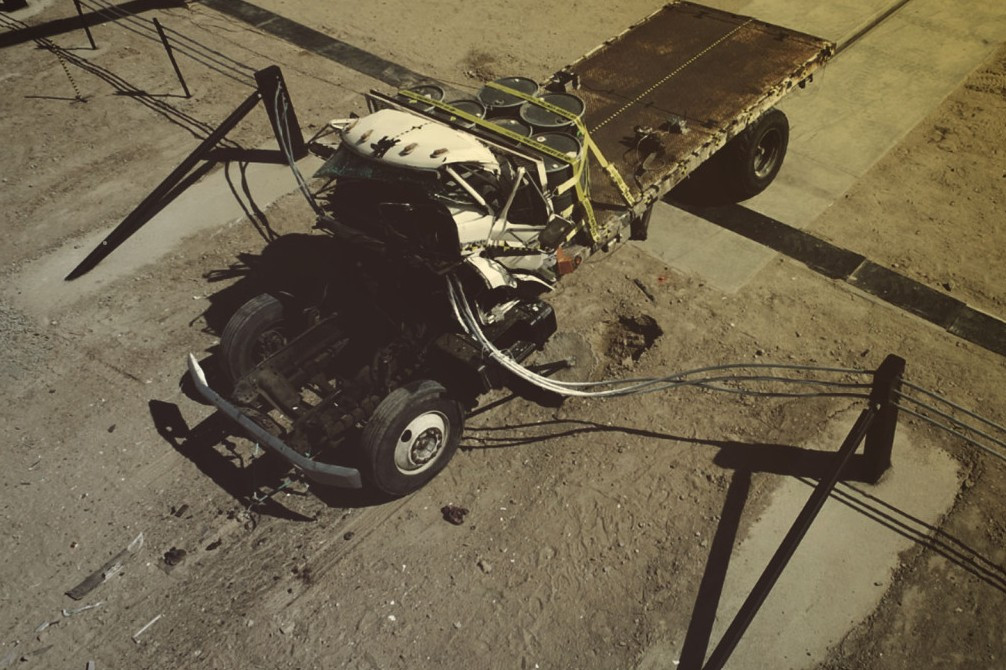
The Middle East is home to some of the world’s most valuable infrastructure including oil and gas facilities, government buildings, airports, ports, and data centers.
These sites often face:
* Elevated threat levels from terrorism and sabotage
* Public proximity in urban environments
* Large, open perimeters vulnerable to vehicular approach
* Harsh terrain and weather, which complicates barrier performance and maintenance
Key Elements of an HVM-Ready Perimeter
To effectively protect against hostile vehicles, a perimeter system must go beyond a fence. An HVM-ready solution typically includes:
* Crash-tested barriers and products that are certified to international standards (e.g. ASTM F2656, PAS 68, IWA 14)
* Strategic layout and placement to create natural or enforced stand-off
* Bollards, wedges, or planters that blend into architectural design in public spaces
* Access control and detection systems to identify threats before they reach the barrier
With the region’s extreme heat, dust, and saline air, not all HVM systems are engineered to cope. Choosing materials and designs suited for Middle Eastern conditions is just as important as the crash rating.
As cities expand and critical infrastructure grows, so does the importance of Hostile Vehicle Mitigation in protecting people, property, and national interests. Whether you're securing a refinery, embassy, or logistics hub, integrating HVM into your perimeter strategy is a proactive step toward resilience.