Sign in
Contact
Securing the Backbone
Our Article
Protecting Critical Infrastructure
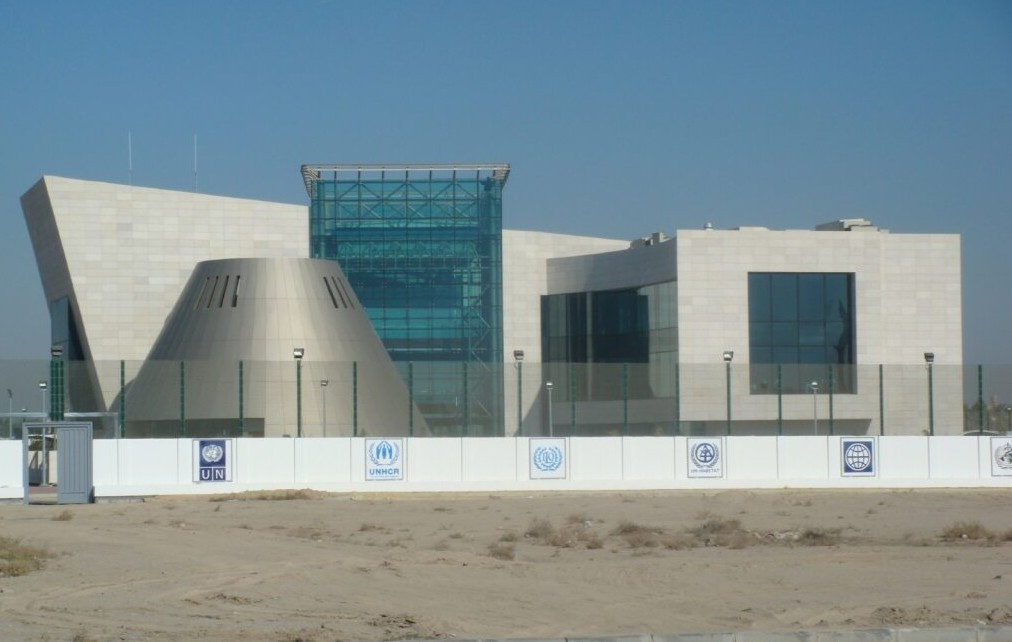
Protecting Critical Infrastructure
While digital cybersecurity grabs headlines, physical perimeter security remains the first and most fundamental line of defense.
Critical infrastructure includes facilities and services essential to the functioning of a country or region, such as Oil & gas processing plants, Power generation stations, Water treatment and desalination facilities as well as data centers and transport infrastructure.
In the Middle East, these assets often span remote areas, border zones, or urban centers, and face unique security challenges due to geopolitical risks, terrorism threats, and environmental factors.
Protecting Critical Infrastructure

While the region has made significant advancements in high-tech surveillance and command centers, physical attacks, sabotage, and vehicle-borne threats remain real and persistent risks. Common perimeter security threats include unauthorized intrusions or theft, terrorist attacks using vehicles or explosives, sabotage targeting utilities or power grids and even environmental hazards like sandstorms or flooding damaging exposed security systems. Many of these threats can be stopped or delayed at the perimeter — reducing the chance of escalation and buying precious time for response teams.
A modern perimeter security system is far more than just a fence. It includes multiple layers of defense, tailored to each site’s risk level, terrain, and operational needs. Components may include high-security fencing and crash-rated barriers, Hostile Vehicle Mitigation (HVM) systems like bollards and road blockers, anti-climb and anti-cut designs with certified ratings (e.g. ASTM, LPS, HCIS-compliant), Perimeter Intrusion Detection Systems (PIDS) integrated with CCTV and command centers and monitored access control for gates, personnel, and vehicles.
The Middle East is investing heavily in national infrastructure and Vision 2030 mega-projects. As this growth accelerates, so do the risks. Whether protecting an oil refinery in the Eastern Province, a port in the UAE, or a remote desalination plant in Oman, governments and private operators must prioritize perimeter protection as part of their core security strategy. Local compliance is also a factor — many countries (like Saudi Arabia) mandate adherence to HCIS (High Commission for Industrial Security) standards, which include strict guidelines for physical barriers, intrusion resistance, and integrated detection systems.
By combining certified systems, modern technology, and regional expertise, Middle Eastern operators can create secure, scalable, and compliant perimeters that stand strong against today’s challenges and tomorrow’s uncertainties.