Sign in
Contact
Understanding HCIS: What It Means for Perimeter Security in the Middle East
Read Our Article
HCIS Explained

From oil and gas facilities to data centers, airports, and desalination plants, industrial sites must comply with strict security guidelines to mitigate risks. At the center of this framework stands HCIS; the High Commission for Industrial Security, which plays a vital role in defining the standards for physical perimeter protection.
HCIS exists to ensure that facilities vital to national security — such as energy plants, water facilities, and logistics hubs — are resilient against threats ranging from sabotage and terrorism to theft and unauthorized access.
How HCIS Relates to Perimeter Security
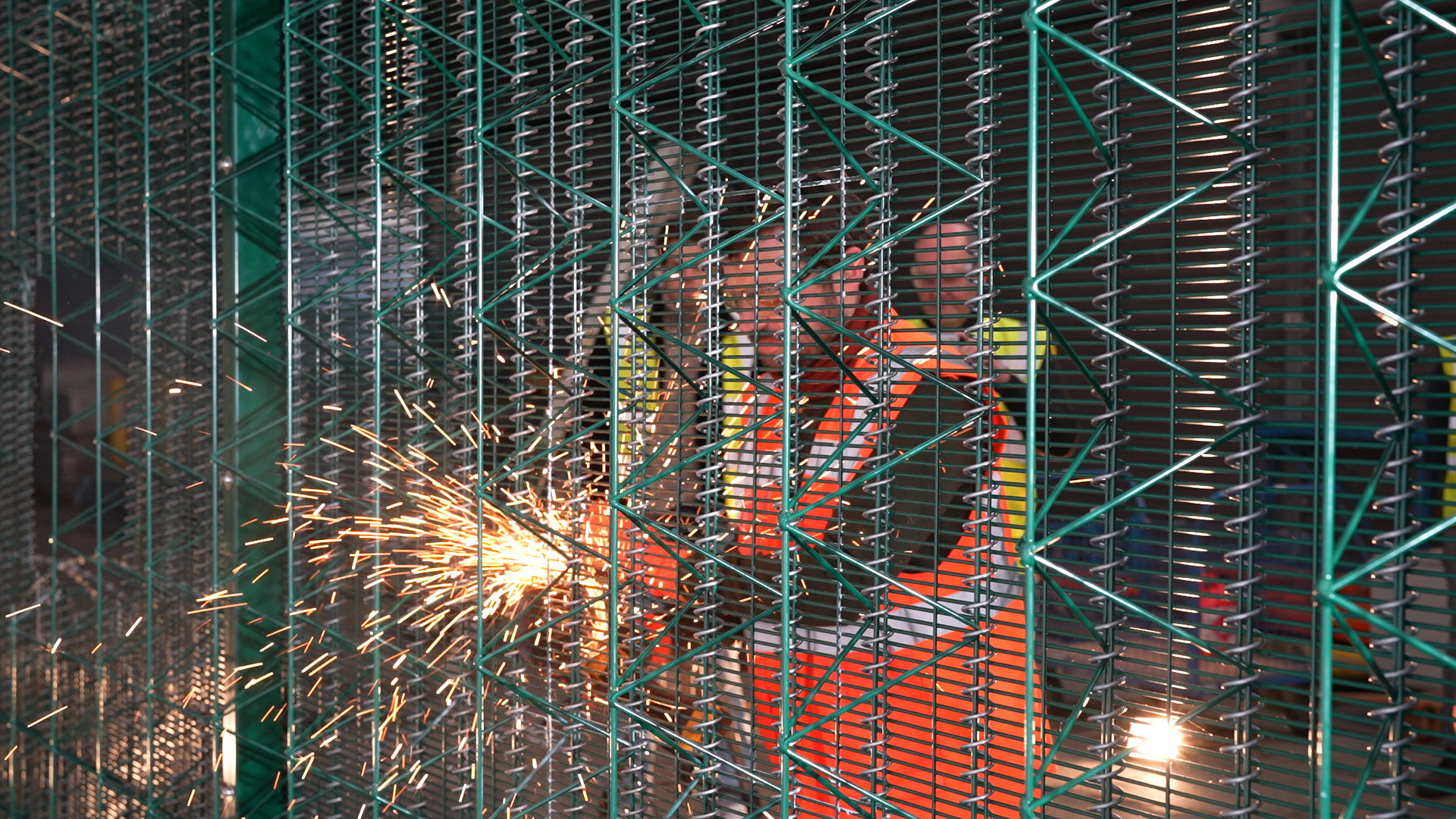
Under the HCIS Security Directives, physical perimeter protection is one of the first layers of defence. These directives outline specific requirements for fencing systems, including:
* Minimum fence height and construction standards
* Use of anti-climb and anti-cut materials
* Certified barriers that meet international forced-entry standards (e.g. ASTM or LPS)
* Controlled access points with vehicle and personnel screening
* Integration with intrusion detection systems, CCTV, and alarm monitoring
Compliance with HCIS standards is mandatory for facilities deemed vital to national security — and non-compliance can lead to fines, project delays, or operational shutdowns.
Why It Matters for Your Project
If you're designing or upgrading a perimeter security system in Saudi Arabia, especially in sectors like oil & gas, utilities, or data infrastructure, HCIS compliance isn’t optional — it’s expected. Choosing fencing systems that are pre-tested, certified, and adaptable to HCIS guidelines not only ensures regulatory approval but also demonstrates a proactive approach to risk management.
Betafence is one of only a few manufacturers able to sell perimeter systems that are HCIS compliant. What does this mean?
* High-security, delay fencing that is 3rd party certified
* Terrain-adaptable posts for faster installation
* Materials resistant to heat, corrosion, and sand exposure
* Compatibility with electronic monitoring and access control systems
HCIS isn’t just a regulatory box to check — it’s a framework designed to protect national assets and the people who depend on them. For developers, security consultants, and facility owners in the Middle East, understanding and implementing HCIS-compliant perimeter systems is key to building infrastructure that is both secure and future-ready.